The Great Barrier Reef — The Largest Living Structure on Earth
No photograph has ever done it justice. No words quite prepare you. The Great Barrier Reef is the kind of place that changes the way you see the world — and your place within it.
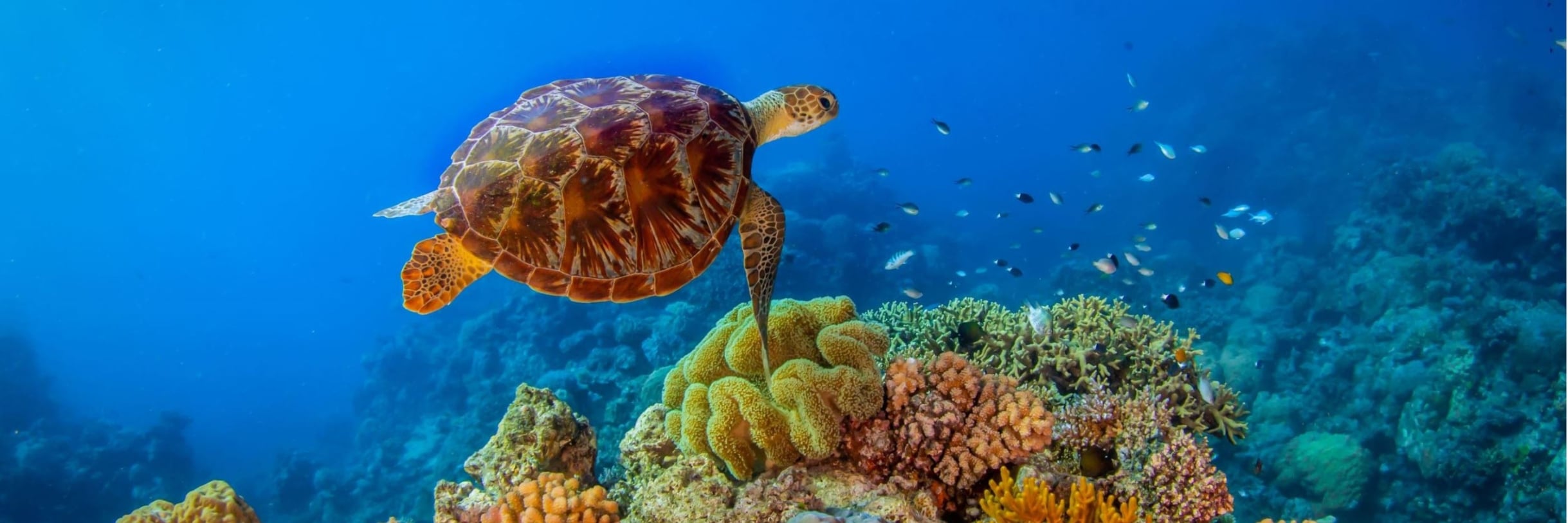
Stretching 2,300 kilometres along the Queensland coast, the Great Barrier Reef is the largest living structure on Earth. It is home to more than 1,500 species of fish, 4,000 types of mollusc, 240 species of bird, and coral structures that have been building for thousands of years. It is a World Heritage site of such significance that it is visible from space.
And yet — standing at its edge, watching a sea turtle glide through water of impossible blue — all of that information falls away. What you feel is something simpler. Something closer to awe.
How to Experience the Reef
Day Tours from Cairns & Port Douglas
The most popular way to experience the reef. Modern vessels take you to platforms or pontoons on the outer reef — often within 90 minutes of the coast — where you can snorkel, dive or simply float above the coral and watch the world below. Travellers looking for a snorkelling-only option can choose the Great Barrier Reef snorkel tour from Cairns, with no scuba diving included.
Liveaboard Diving
For those who want to go deeper — literally and figuratively. Multi-day liveaboard dive expeditions take you to the most remote and pristine sections of the reef, far from day-trip traffic, where the coral and marine life are undisturbed and extraordinary.
Sailing & Island Experiences
Sail to Low Isles from Port Douglas. Anchor off a coral cay. Swim in turquoise shallows over reef gardens. The reef is not only for divers — it is for anyone who has ever looked out at the ocean and felt the pull of something extraordinary.
Our Promise
Hot Getaways recommends reef experiences that have been chosen with one question in mind: Does this genuinely help visitors connect with one of the world’s great natural wonders?
We only recommend operators with genuine care for the reef, for their guests, and for the communities that depend on this extraordinary ecosystem.
The reef does not need more visitors. It needs more people who love it. We hope to help create them.